Welcome to an in-depth exploration of the revolutionary concept, XMAX 300 – a game-changer that has captured the attention of professionals and enthusiasts alike. This article aims to dissect and demystify every facet of this cutting-edge technology, offering valuable insights for stakeholders worldwide. By delving into its history, impact, economic implications, technological innovations, regulatory landscape, and future potential, we will uncover why XMAX 300 is more than just a trend—it’s a catalyst for transformation across sectors.
Understanding XMAX 300: Unlocking the Concept
XMAX 300 is a groundbreaking platform that leverages advanced technologies to streamline complex processes and enhance overall efficiency. At its core, it involves the integration of artificial intelligence (AI), machine learning algorithms, and cloud computing to create a dynamic and adaptive system. This innovative approach allows businesses and organizations to optimize their operations, make data-driven decisions, and stay ahead in an ever-evolving market.
Historically, the idea behind XMAX 300 emerged from the growing demand for smarter, more efficient solutions in an increasingly digital world. As industries faced challenges related to data management, automation, and decision-making, developers sought a holistic platform to address these pain points. The result is a versatile system that has found applications across various sectors, from healthcare and finance to manufacturing and logistics.
Key Components:
Artificial Intelligence (AI): XMAX 300’s AI engine forms the backbone of its intelligence. It employs machine learning techniques to analyze vast datasets, identify patterns, and make predictions or decisions with minimal human intervention.
Machine Learning Algorithms: These algorithms enable the system to learn from data, adapt over time, and continuously improve performance. They are crucial for tasks like predictive analytics, process optimization, and personalized recommendations.
Cloud Computing: The platform utilizes cloud infrastructure to store, process, and manage data securely. This ensures scalability, accessibility, and efficient resource utilization, allowing users to access powerful computational resources on demand.
Global Impact and Trends: A World-Wide Revolution
The influence of XMAX 300 extends far beyond its place of origin, shaping global trends and transforming industries worldwide. Here’s a breakdown by region:
North America:
Healthcare: In the US, XMAX 300 has revolutionized healthcare data management. Hospitals and clinics use it to streamline patient records, enabling faster diagnosis and personalized treatment plans.
Finance: Major financial institutions in Canada and the US have adopted XMAX 300 for fraud detection and risk assessment, enhancing security and customer experience.
Europe:
Manufacturing: European automakers have embraced XMAX 300 to optimize supply chain management, leading to more efficient production processes and cost savings.
Government Services: Several European countries have implemented the platform for digital transformation, improving citizen services and streamlining bureaucratic processes.
Asia Pacific:
E-commerce: In China and India, XMAX 300 powers personalized shopping experiences, inventory management, and demand forecasting, driving the growth of online retail giants.
Telecommunications: Japanese and South Korean telecom companies use XMAX 300 for network optimization, improving service quality and customer satisfaction.
Latin America:
Agriculture: In Brazil, farmers employ XMAX 300 for precision agriculture, enabling data-driven crop management and sustainable farming practices.
Education: Mexican institutions have adopted the platform for personalized learning, enhancing student engagement and academic outcomes.
Economic Considerations: Market Dynamics and Opportunities
The economic impact of XMAX 300 is profound, with significant market dynamics at play:
Sector
Impact
Investment Trends
Healthcare
Streamlined processes, improved patient care, reduced costs.
Hospitals investing in AI-driven diagnostic tools and patient monitoring systems.
Online retailers expanding their tech teams and cloud infrastructure.
XMAX 300 has sparked a wave of investment, with venture capital firms and corporations alike recognizing its potential. The global market for AI-driven solutions is projected to reach $182.5 billion by 2026, highlighting the immense economic opportunities it presents.
Technological Advancements: Powering the Future
At the heart of XMAX 300’s success are its underlying technological innovations:
Natural Language Processing (NLP): Enables machines to understand and interpret human language, facilitating natural interactions with users. This is crucial for virtual assistants, customer support chatbots, and content analysis.
Computer Vision: AI algorithms process and analyze visual data, enabling image recognition, object detection, and autonomous systems. Applications include self-driving cars, medical imaging, and quality control in manufacturing.
Edge Computing: Brings computation closer to the source of data, reducing latency and improving efficiency. This is essential for real-time decision-making in IoT devices, industrial automation, and augmented reality.
These advancements not only enhance XMAX 300’s capabilities but also open doors for entirely new applications, shaping the future of technology.
Policy and Regulation: Navigating the Legal Landscape
The rapid pace of technological development presents challenges and opportunities for policymakers worldwide. As XMAX 300 continues to evolve, so do the regulatory frameworks surrounding it:
Data Privacy: With vast data processing capabilities, ensuring data privacy and protection is paramount. Regulations like GDPR in Europe and CCPA in California set standards for data handling, influencing how companies utilize XMAX 300.
Ethical AI: Governments are increasingly focusing on ethical guidelines for AI development and deployment to mitigate biases and ensure fairness. These policies shape the responsible use of XMAX 300.
Intellectual Property: Patents and copyright laws play a crucial role in protecting innovations within XMAX 300, encouraging further research and development.
Challenges and Criticisms: Overcoming Obstacles
Despite its immense potential, XMAX 300 faces challenges and criticisms that must be addressed for widespread adoption:
Data Quality and Bias: The accuracy of AI models depends on the quality and diversity of training data. Biased or incomplete datasets can lead to unfair outcomes, requiring rigorous data validation processes.
Job Displacement Concerns: Automation raises concerns about job losses. However, history shows that technology creates new jobs while shifting skill demands, necessitating reskilling initiatives.
Regulatory Uncertainty: The fast pace of AI development sometimes outpaces regulatory frameworks, leading to uncertainty and potential legal risks for companies adopting XMAX 300.
Actionable Solutions:
Implement robust data governance practices to ensure data quality and mitigate bias.
Collaborate with educators and training institutions to develop programs addressing the skills gap created by automation.
Establish industry-government partnerships to develop clear, adaptable regulations that keep pace with technological advancements.
Case Studies: Real-World Success Stories
Healthcare Revolution in Africa:
A rural African clinic implemented XMAX 300 for patient record management and remote diagnostics. The system enabled local healthcare providers to access specialized medical knowledge, improve diagnosis accuracy, and provide better care despite limited resources. This initiative significantly enhanced healthcare accessibility in underserved regions.
Smart Manufacturing in Germany:
A leading German automotive manufacturer adopted XMAX 300 for its smart factory initiative. By integrating AI and IoT, they optimized production lines, reduced waste, and improved overall efficiency. The system’s predictive analytics also enabled proactive maintenance, minimizing downtime.
Future Prospects: A Glimpse into Tomorrow
The future of XMAX 300 is filled with promising possibilities, driven by emerging trends and technological breakthroughs:
Hyperautomation: As XMAX 300 matures, it will enable hyperautomation, where multiple processes are streamlined or fully automated, leading to increased productivity and cost savings.
Explainable AI (XAI): The demand for transparency in AI decision-making is growing. XAI techniques will enhance the interpretability of XMAX 300’s recommendations, fostering trust among users.
5G and Edge Computing: The rollout of 5G networks and edge computing will further improve XMAX 300’s real-time capabilities, enabling applications like autonomous vehicles and remote surgery.
Personalized Experiences: With advancements in NLP and computer vision, XMAX 300 can deliver highly personalized experiences across industries, from entertainment to healthcare.
Conclusion: Shaping the Future Together
XMAX 300 is not just a technological advancement; it’s a catalyst for positive change, innovation, and growth worldwide. Its global impact, economic benefits, and technological advancements make it a vital component of modern society. As we navigate the future, addressing challenges and embracing opportunities presented by XMAX 300 will be key to staying competitive and adapting to evolving market demands.
FAQ: Answering Common Queries
Q: What is XMAX 300, and how does it differ from traditional software?
A: XMAX 300 is an advanced platform that integrates AI, machine learning, and cloud computing to offer dynamic, adaptive solutions. It differs from traditional software in its ability to learn, adapt, and make data-driven decisions without constant human intervention.
Q: How does XMAX 300 impact small businesses?
A: XMAX 300 empowers small businesses by providing access to powerful technologies like AI and cloud computing, which would otherwise be cost-prohibitive. It helps streamline operations, improve efficiency, and compete with larger enterprises.
Q: What are the potential risks associated with using XMAX 300?
A: While XMAX 300 offers numerous benefits, there are risks, such as data security breaches, algorithmic biases, and regulatory compliance issues. Proper data governance, regular security audits, and adherence to ethical guidelines can mitigate these risks.
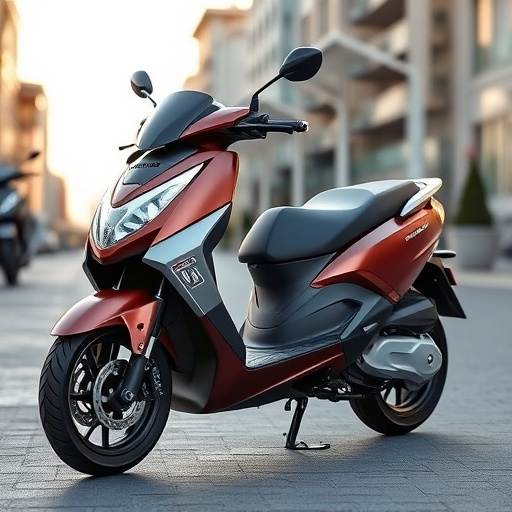
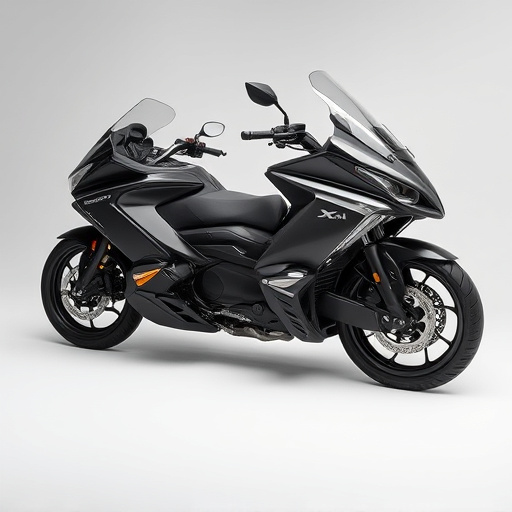
The Yamaha XMAX 300 is a stylish and powerful urban scooter with a robust 292 cc Blue Core engine that delivers both performance and playfulness. Its "Power N Play" capabilities offer smooth acceleration, responsive handling, and intui…….
The XMAX 300 scooter combines power and playfulness with its robust engine, iconic 15-inch front alloy wheels, and Power N Play system. This urban commuter offers exceptional grip and stability for swift navigation, while the customizable Power…….
The Order XMAX 300 is a versatile motorcycle designed for outdoor enthusiasts, featuring state-of-the-art traction control called 'Power N Play'. This system optimizes performance and safety on challenging terrains like wet, snowy, or…….
The Yamaha XMAX 300 is a modern scooter designed for both performance and convenience with its keyless smart key ignition system, offering a secure and seamless start. Its "Power N Play" functionality provides customizable riding exper…….
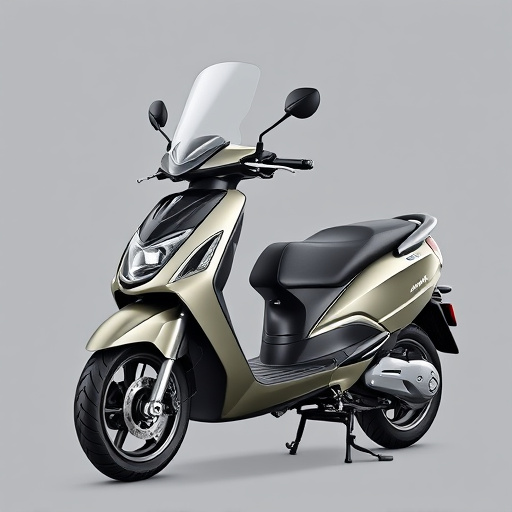
The XMAX 300 Scooter is a powerful and versatile urban mobility solution, offering a smooth ride and intuitive navigation through its robust 298cc engine and advanced technology. Its unique dual stand system provides exceptional stability and co…….
The Order XMAX 300's traction control system is a standout feature, offering "Power N Play" for both novice and experienced riders. By managing wheel spin on challenging terrains, it enhances safety and stability, enabling riders…….
The XMAX 300 motorcycle offers an exhilarating "Power N Play" experience through its powerful engine, advanced dual-channel ABS and traction control systems, and dynamic ride dynamics. These features enhance safety, stability, and cont…….
The XMAX 300 is a dynamic scooter that combines power and playfulness, catering to both urban commuters and adventure seekers. With its Euro 5 compliant engine, it offers smooth performance, balanced torque, and speed suitable for city streets o…….
The XMAX 300 motorcycle incorporates Garmin smartphone navigation with its "Power N Play" feature, offering advanced turn-by-turn directions, real-time tracking, and traffic updates for both off-road and urban adventures. This integrat…….
The XMAX 300 is a powerful, versatile device featuring a revolutionary USB-C front charging socket that enables Power N Play—fast and convenient charging for multiple devices. Ideal for tech enthusiasts, busy professionals, and outdoor adv…….
The XMAX 300 scooter combines Power N Play with advanced features like its unique wet sump lubrication system, offering both performance enthusiasts and leisure seekers an exciting ride. With spacious seating, agile handling, and efficient engin…….
The XMAX 300 scooter offers an exhilarating blend of performance and style for urban mobility. With a robust engine, dual-channel ABS, and traction control, it provides both safety and smooth acceleration. This "Power N Play" scooter e…….
The XMAX 300 is an electric scooter that enhances urban mobility with its stylish design, powerful performance, and innovative Power N Play system. Integrated with Garmin navigation via smartphone, it offers real-time traffic updates, efficient…….
The XMAX 300 motorcycle combines power and playfulness, offering exceptional mobility with its robust engine, advanced suspension, and a generous 13-liter fuel tank. This scooter guarantees safety and comfort for long-distance rides, making it i…….
The XMAX 300 motorcycle is a dynamic blend of power and play, featuring a robust motor, advanced drive system, and signature 15-inch front alloy wheel. It seamlessly navigates city streets and off-road adventures, offering a smooth yet thrilling…….
The Power N Play concept revolutionizes cycling navigation by combining technology with entertainment, keeping riders' eyes on the road. The XMAX 300 scooter and Order XMAX 300 motorcycle both leverage Garmin navigation for turn-by-turn dir…….
The XMAX 300 scooter stands out in urban mobility with its spacious 13-liter fuel tank, offering riders extended range for both daily commuting and weekend adventures. This feature sets it apart from competitors, encouraging exploration beyond u…….
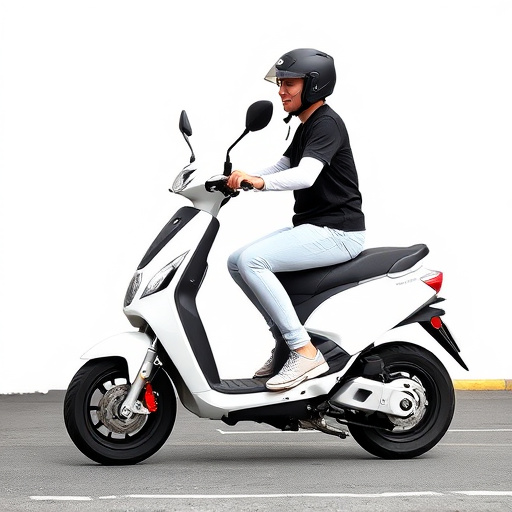
The XMAX 300 scooter is a dynamic urban commuter, seamlessly transitioning from city streets to highways with its powerful engine and versatile design. It delivers an exhilarating blend of performance and control, featuring exceptional maneuvera…….
The XMAX 300 is a modern, powerful device designed for tech-driven individuals needing reliable mobility. Its stylish Power N Play functionality offers convenient USB-C front charging and an enduring battery life for daily commutes and outdoor e…….
Motorcyclists seeking optimized storage solutions for essential gear can find a game-changing solution in the XMAX 300 underseat storage case, part of the innovative "Power N Play" system. This compact design offers ample space for two…….